Data Platform Security
Protecting Sensitive Data from Collection to Analytics: Implement defense-in-depth data security with encryption, access controls, audit trails, and architecture that enforces data sovereignty.
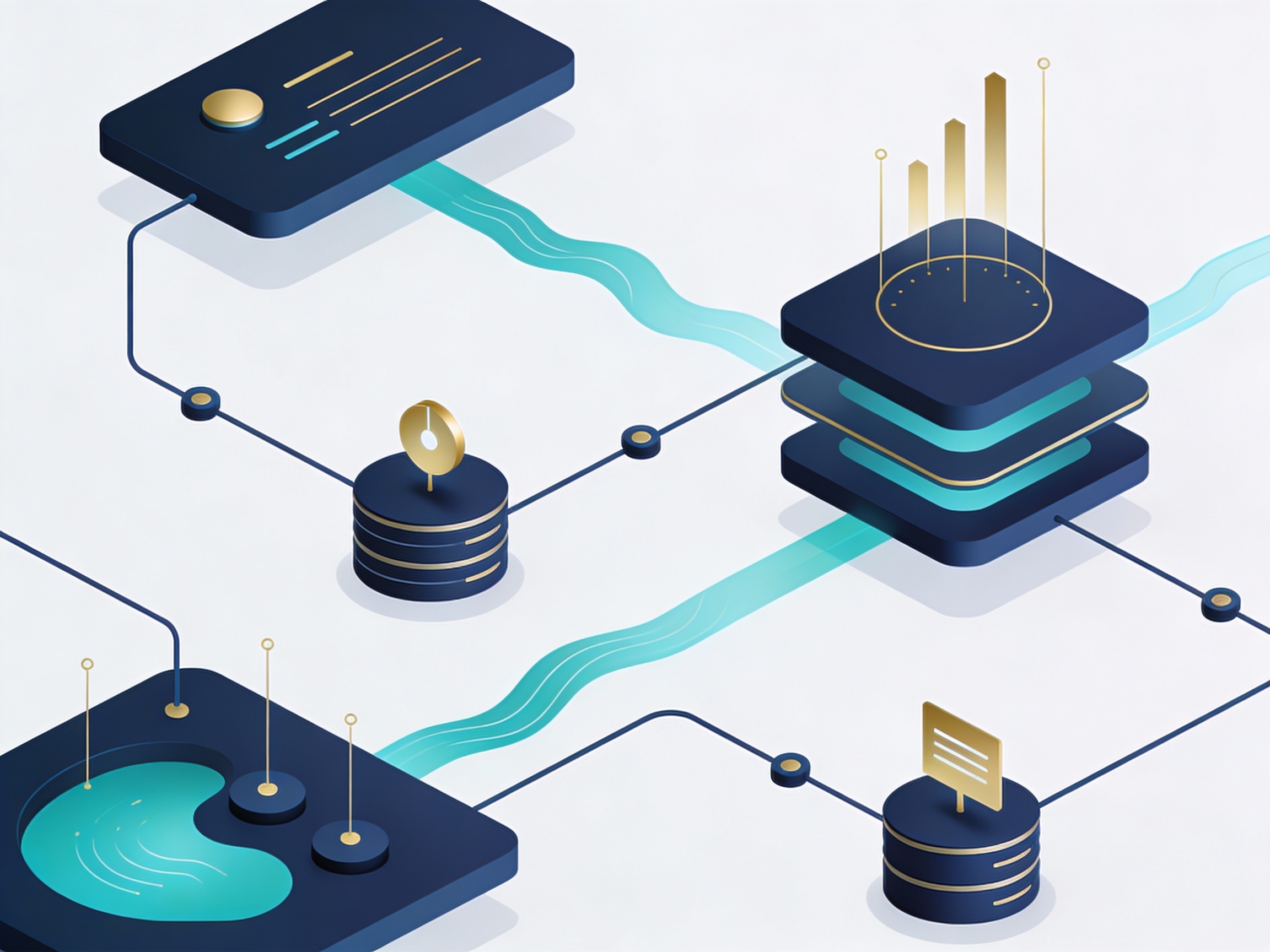
Data platforms represent your organization's crown jewel—customer information, financial records, intellectual property, strategic plans. A compromised data platform exposes this information at scale. Yet many organizations deploy data platforms with casual attention to security, treating them as internal infrastructure that "doesn't need" strong controls.
This underestimates the risk. Data platforms require defense-in-depth security at multiple layers: infrastructure, encryption, access control, and monitoring.
Defense-in-Depth Architecture
Infrastructure Layer:
- Private, isolated cloud environments
- Restricted network access to authorized systems only
- Separation of management and data planes
- Result: Physical security against unauthorized network access
Encryption Layer:
- Data encrypted in-transit (TLS)
- Data encrypted at-rest (AES-256)
- Encryption keys managed separately in Hardware Security Module (HSM)
- Result: Even storage system compromise doesn't expose data
Access Control Layer:
- Role-based access (RBAC) for general access
- Attribute-based access (ABAC) for sensitive data
- Time-limited access windows
- Location-based restrictions
- Result: Granular control over who accesses what
Monitoring & Audit Layer:
- Complete audit trail of all data access
- Anomaly detection (unusual queries, bulk exports, off-hours access)
- Data lineage tracking (where did this data come from?)
- Immutable logs for forensic investigation
- Result: Rapid detection and investigation of unauthorized access
Infrastructure Isolation
Sensitive data should reside in isolated, hardened environments—private cloud networks with restricted access, separated control and data planes, network segmentation preventing lateral movement. This architectural isolation means attackers cannot simply gain network access and begin querying sensitive data.
Encryption Everywhere
Encryption in-transit (TLS) and at-rest (AES-256) are baseline. But encryption keys themselves require protection. Hardware Security Modules (HSMs) store keys separately from encrypted data, audit key usage, and prevent unauthorized extraction. Even if an attacker steals storage systems, they cannot read the data stored on them.
Compliance Features
- Data residency: EU data stays in EU (GDPR Article 48)
- Regulatory standards: ISO 27001, NIS-2 compliance built-in
- Audit evidence: Pre-built reports for compliance audits
Real-World Protection
When vulnerabilities are discovered in upstream systems, data lineage tracking enables rapid identification of exposed datasets. Comprehensive auditability means every access to data—who accessed what, when, from which system, what queries they ran—gets logged. Immutable, long-retention audit trails enable forensic investigation.